
Single vs. Relationship: The Real Pros and Cons of Each Lifestyle
Every year, someone publishes a new study claiming to have settled the single-versus-relationship debate once and for all, and every year the internet argues about it anyway. The honest answer is less satisfying than a headline: both lifestyles come with real, well-documented advantages and real, well-documented costs, and which one is “better” depends entirely on what season of life you are in and what you actually want out of it. Here is the honest, unranked breakdown of both.
The Advantages of Being Single
Full Autonomy Over Your Time and Choices
Nobody to check in with before you book a trip, change your schedule, or spend an entire Saturday exactly how you want to. That level of control over your own life is one of the most consistently cited benefits of singlehood, and it is easy to underrate until you have lost it.
Space for Self-Discovery and Personal Growth
Without a partner’s needs woven into every decision, singlehood tends to create more room to figure out your own interests, habits, and identity on your own terms, not in relation to someone else’s.
Lower Emotional Overhead
Relationships require ongoing emotional labor: check-ins, compromise, conflict resolution, managing someone else’s needs alongside your own. Single life removes that overhead entirely, which frees up real mental bandwidth for other things, like career, friendships, or hobbies.
More Room to Build Other Relationships
Friendships and family relationships often get less attention once a romantic partner becomes the default priority. Single people frequently report deeper platonic and family bonds simply because there is more time and energy left over for them.
Freedom to Date Intentionally, Without Pressure
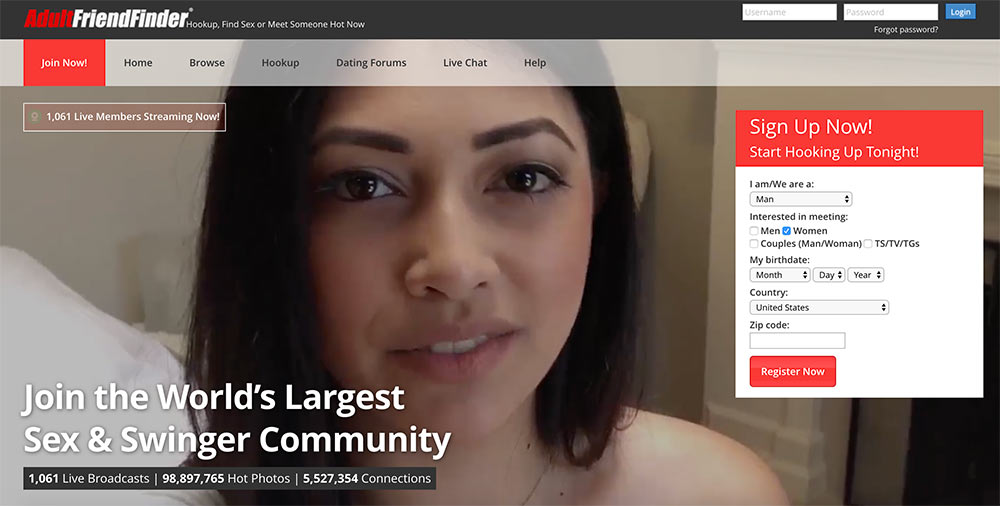
Being single does not mean being closed off. It means you get to date on your own terms, meet a wide range of people, and figure out what you actually want before committing to it. Platforms like AdultFriendFinder exist specifically for that stage: casual, low-pressure connection without the expectation of an instant relationship.
The Disadvantages of Being Single
Less Built-In Emotional Support
A partner is often a person’s first call during a hard day. Without one, that support has to come from friends, family, or yourself, which is not automatically worse, but it does require more deliberate effort to maintain.
Loneliness Risk If Not Actively Managed
Singlehood itself is not inherently lonely, but it does require more intentional effort to stay socially connected. People who let their social circle shrink while single are the ones who tend to feel it the most.
No Default Plus-One or Social Structure
Weddings, holidays, and social events are still largely built around couples. Navigating those spaces solo can require more social energy, even when you are genuinely content being single.
Slower Path to Certain Shared Milestones
If shared life milestones like a home, a family, or long-term partnership are actually part of your goals, singlehood by definition delays them. That is only a disadvantage if those specific goals matter to you.
The Advantages of Being in a Relationship
Consistent Emotional and Practical Support
A long-term partner offers a level of consistent, built-in support that is genuinely hard to replicate elsewhere: someone who knows your history, your patterns, and shows up for the ordinary, unglamorous parts of daily life.
Deeper Long-Term Intimacy and Vulnerability
Time and repeated vulnerability build a kind of closeness that takes years to develop. We covered the psychology behind why that vulnerability matters so much in Fetish Psychology 101, and the short version is that sustained trust between two people compounds in a way that is difficult to shortcut.
Shared Life Logistics
Splitting finances, chores, planning, and decision-making with a partner genuinely lightens the practical load of daily life, even if it introduces its own negotiations.
Built-In Companionship
A relationship guarantees a default plus-one, a familiar presence at the end of the day, and someone whose life is actively intertwined with yours. That baseline companionship is consistently one of the top reasons people cite for wanting a relationship in the first place.
The Disadvantages of Being in a Relationship
Less Individual Autonomy
Every plan now involves a second person’s schedule, preferences, and needs. Even strong relationships require regularly trading some personal freedom for shared decision-making.
Requires Ongoing Emotional Labor and Compromise
Relationships do not run on autopilot. They require active maintenance: communication, conflict resolution, and a continuous willingness to compromise, which takes real, sustained effort.
Risk of Losing Your Own Identity or Interests
Couples who stop investing in individual friendships, hobbies, or goals outside the relationship often find their sense of self quietly shrinking to fit the partnership. Long-term relationship psychology consistently points to keeping some independent identity as one of the biggest predictors of long-term satisfaction, a theme we get into further in 50 Ways to Spice Up Your Sex Life.
Breakup Risk and Sunk-Cost Feelings
The longer a relationship runs, the more shared history, finances, and plans get built on top of it, which makes ending it, even a relationship that is no longer working, significantly harder emotionally and logistically.
How to Know Which Season You Are In
Instead of asking which lifestyle is objectively better, a more useful question is which one actually fits where you are right now. A few honest checks:
- Are you seeking a relationship out of genuine desire, or out of pressure and fear of being alone? Those lead to very different outcomes.
- Do you currently have the emotional bandwidth for the compromise a relationship requires? If work, health, or personal growth are demanding most of your energy, singlehood may genuinely serve you better right now.
- Are you single and thriving, or single and drifting? Both look similar from the outside but feel very different from the inside.
Frequently Asked Questions
Is being single actually associated with worse mental health?
Not consistently. Research on this is mixed, and singlehood satisfaction has been trending upward over time. What tends to predict wellbeing more reliably than relationship status is social connection overall, which single people can build just as effectively through friends and family.
How long is too long to be single?
There is no universal timeline. The more useful marker is not duration but direction: whether the time single is being used intentionally, whether for growth, healing, or genuine enjoyment, or whether it has become passive drift.
Can you be genuinely happy either way?
Yes. Life satisfaction research consistently shows both single and partnered people reporting high wellbeing, provided their circumstances actually match what they personally want.
Where should singles go to date intentionally?
A platform built for straightforward, pressure-free connection tends to work better than hoping the right person appears organically. AdultFriendFinder is one of the more direct options for that.
The Bottom Line
Single life and relationship life are not competing for a title. They are two different sets of trade-offs, and the right one for you depends on what you actually want right now, not on which one wins an argument online. The healthiest version of either one starts with choosing it on purpose.
Want the deeper dive? Part 2 breaks down what actual research says about health, longevity, money, and social life for singles versus couples: Single vs. Relationship Part 2.
SEX TOYS TO ENHANCE YOUR SEX LIFE







No Comments Yet